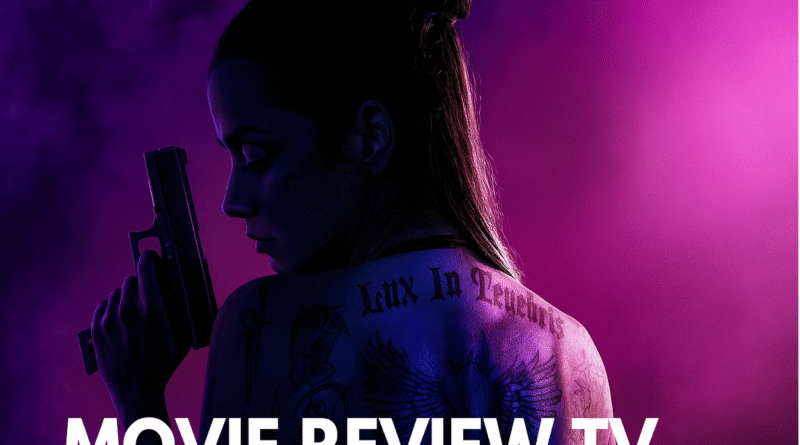
Ballerina Movie Review
Last Updated on October 22, 2025 by Movie Revew TV
Ballerina Movie Review: Graceful Storytelling on Screen
As fans of the John Wick franchise, we’re excited to dive into the latest spin-off, starring Ana de Armas as the main character. Set between the events of John Wick: Chapter 3 – Parabellum and John Wick: Chapter 4, this film promises to deliver heart-pumping action sequences and captivating performances.
We can expect a gripping storyline that explores the world of high-stakes assassinations, with a fresh perspective brought by the lead character. The film’s connection to the John Wick universe means we’re in for a thrilling ride, filled with intricate fight choreography and emotional depth.

Key Takeaways
- Ana de Armas stars as the lead character in this John Wick spin-off.
- The film is set between John Wick: Chapter 3 – Parabellum and John Wick: Chapter 4.
- Expect intense action sequences and strong cast performances.
- The storyline offers a fresh perspective within the John Wick universe.
- A blend of intricate fight choreography and emotional depth.
The Dance Begins: Setting the Stage for Ballerina
As the curtains open on ‘Ballerina,’ the stage is set for a captivating cinematic experience. The film promises to deliver a gripping narrative that intertwines the beauty and intensity of ballet.
First Impressions and Expectations
Upon its release, “Ballerina” garnered attention for its action-packed sequences and Ana de Armas’s compelling performance. Critics have praised her portrayal, noting that she “owns this role.” Our initial expectations are high, given the film’s potential to blend ballet with thrilling cinematic elements.
The Ballet World on Film: A Brief Context
Ballet on film has a rich history, with classics that have captivated audiences worldwide. “Ballerina” joins this legacy, offering a modern take on ballet storytelling. The film’s context is rooted in the intense world of professional ballet, where dancers face both physical and emotional challenges.
As a ballerina film analysis and ballet movie critique, we examine how “Ballerina” portrays the ballet world, its authenticity, and its appeal to both ballet enthusiasts and general audiences.
Behind the Curtain: Plot Synopsis and Narrative Structure
The movie Ballerina is not just about dance; it’s a tale of revenge, family, and the intricate world of the Ruska Roma crime syndicate. As we explore the narrative, it becomes clear that the film’s strength lies in its complex characters and layered storytelling.
Story Overview (Spoiler-Free)
Ballerina follows Eve Macarro, a highly trained assassin raised within the Ruska Roma crime syndicate. The story is driven by her quest for revenge after her family’s murder. As Eve navigates this dangerous world, the film masterfully intertwines ballet with the narrative, creating a unique viewing experience.
Narrative Techniques and Storytelling Approach
The filmmakers employ a non-linear narrative technique, weaving together past and present to reveal Eve’s backstory and motivations. This approach not only deepens the audience’s understanding of Eve’s character but also heightens the tension as the story unfolds.
Ballet as Metaphor in the Storyline
Ballet serves as more than just a visual element; it’s a metaphor for Eve’s journey. The precision and grace required in ballet mirror the discipline and skill Eve uses as an assassin. Key scenes include:
- Eve’s practice sessions, showcasing her dedication and skill.
- The use of ballet to convey emotional depth, particularly in moments of introspection.
- The contrast between the elegance of ballet and the brutality of Eve’s profession.
For a deeper dive into the world of ballet films, check out our ballerina review blog for more insights and reviews. Ballerina stands out among the best ballerina movie reviews for its original storytelling and captivating performances.
Pirouettes and Performances: Cast Analysis
The cast of Ballerina brings to life a captivating narrative through their performances. With a blend of experienced actors and dancers, the film showcases a range of talents that elevate the storytelling.
Lead Performance Evaluation
Ana de Armas’s portrayal of Eve is a standout, bringing intensity and physicality to the role. Her performance is marked by a deep emotional connection to the character, making her journey compelling to watch. We observe a nuanced exploration of Eve’s complexities, adding depth to the narrative.
De Armas’s dancing abilities are also noteworthy, as she performs many of her scenes with authentic ballet technique. This authenticity is crucial in making the ballet sequences believable and engaging.
Supporting Cast Contributions
The supporting cast, including Norman Reedus and Ian McShane, contribute significantly to the film’s overall impact. Their performances add layers to the story, providing a richer context for Eve’s journey. The chemistry among the cast members is palpable, enhancing the film’s emotional resonance.
- Norman Reedus brings a rugged charm to his role, contrasting with the elegance of the ballet world.
- Ian McShane provides a sense of gravitas, grounding the narrative with his presence.
- The ensemble cast delivers a cohesive performance, supporting the lead actors effectively.
Dancer Authenticity and Technical Execution
The film’s dance sequences are executed with a high level of technical proficiency. The dancers’ ability to perform complex ballet maneuvers is impressive, and their authenticity as ballet dancers shines through in every scene. The choreography is demanding, and the cast rises to the challenge, delivering performances that are both visually stunning and emotionally resonant.
In conclusion, the cast of Ballerina delivers a memorable performance that is central to the film’s success. Their talents, both in acting and dancing, bring the narrative to life in a way that captivates the audience.
Choreography of Direction: Filmmaker’s Vision
Director Len Wiseman’s vision for ‘Ballerina’ brings a unique perspective to the world of ballet on film. His filmmaking approach has been praised for its visual flair and engaging narrative.
Director’s Approach to Ballet Storytelling
Wiseman’s direction is characterized by its ability to balance the technical aspects of ballet with the emotional depth of the story. This is achieved through a combination of meticulous choreography and thoughtful storytelling.
Pacing and Emotional Arcs
The pacing of ‘Ballerina’ is well-balanced, with emotional arcs that complement the dance sequences. The film’s narrative is engaging, keeping the audience invested in the characters’ journeys.
Balance Between Dance and Drama
A key aspect of Wiseman’s direction is the balance he strikes between dance and drama. The film seamlessly integrates ballet sequences with dramatic moments, creating a cohesive and captivating narrative.
- The ballet sequences are technically accurate and visually stunning.
- The dramatic elements are well-developed and emotionally resonant.
- The integration of dance and drama enhances the overall storytelling.
Overall, Len Wiseman’s direction in ‘Ballerina’ is a testament to his skill as a filmmaker. His vision and approach to ballet storytelling result in a compelling and engaging film that will resonate with audiences.
Visual Poetry: Cinematography and Visual Elements
The cinematography in “Ballerina” is a masterclass in visual storytelling, blending opulence with kinetic energy. This blend is crucial in capturing the essence of ballet on film, making the dance sequences not just visually stunning but also deeply immersive.
Camera Work and Dance Sequence Framing
The camera work in “Ballerina” is noteworthy for its innovative framing of dance sequences. By using a mix of close-ups and wide shots, the filmmakers capture the technical precision and emotional depth of the ballet performances. This approach allows the audience to appreciate the intricacies of ballet while being swept up in the drama of the narrative.
RELATED MOVIE REVIEW POST: Straw – Netflix Movie Review Here And the Karate Kid: Legends – Movie Review
Lighting and Color Palette
Lighting and color palette play a pivotal role in setting the tone for “Ballerina.” The use of shadowy opulence, as noted by critics, adds a layer of sophistication and drama to the film. The color palette is carefully chosen to reflect the mood of each scene, from the starkness of the practice rooms to the grandeur of the stage. This thoughtful use of lighting and color enhances the visual storytelling, drawing the viewer into the world of the film.
Visual Storytelling Through Movement
“Ballerina” excels in using movement as a form of visual storytelling. The cinematography captures not just the beauty of ballet but also its emotional and narrative significance. By framing the dance sequences within the larger narrative, the film conveys the story through the dancers’ movements, creating a seamless integration of dance and drama.
In our analysis, the cinematography and visual elements of “Ballerina” are key to its success as a ballet film. The combination of innovative camera work, thoughtful lighting, and a cohesive color palette creates a visually stunning narrative that complements the ballet performances. This makes “Ballerina” a compelling watch for both ballet enthusiasts and fans of cinematic storytelling.
The Rhythm of Ballerina: Music and Sound Design
The film’s audio landscape is carefully crafted to immerse viewers in the ballet world. The score, composed by Tyler Bates and Joel J. Richard, has been noted for its ability to underscore tension with industrial thrum and operatic swells.
Score Analysis and Classical Influences
The score is a masterful blend of classical and contemporary elements, creating a unique sonic identity for the film. The composers have drawn inspiration from classical ballet music, incorporating it into a modern cinematic context.
Sound Design During Dance Sequences
During the dance sequences, the sound design is meticulously crafted to enhance the visual elements. The synchronization of music and movement creates an engaging and immersive experience for the viewer.
Silence and Sound: Creating Emotional Impact
The film’s use of silence and sound is a deliberate choice, made to create an emotional impact on the audience. The contrast between the intense musical scores and moments of silence adds depth to the narrative.
In conclusion, the music and sound design in Ballerina are integral to the film’s overall impact, enhancing the visual elements and creating an immersive experience for the viewer.
The Art of Movement: Dance Choreography and Authenticity
The film’s dance sequences are a masterclass in blending brutality with balletic precision. This unique blend has garnered significant attention in ballerina film commentary, with many praising the choreographer’s ability to merge intense action with graceful ballet movements.
Ballet Technique Representation
The ballet technique represented in the film is noteworthy for its authenticity. The dancers’ execution of complex ballet maneuvers is complemented by the incorporation of firearms and hand-to-hand combat, creating a distinctive style that has been praised in various ballerina movie ratings.
- The use of proper ballet technique adds to the film’s authenticity.
- The blend of ballet with action sequences enhances the visual appeal.
- The choreographer’s attention to detail is evident in every performance.
Signature Dance Sequence Analysis
One of the standout aspects of the film is its signature dance sequences. These sequences are not only visually stunning but also play a crucial role in advancing the plot. The way the choreographer has woven together ballet and action is a testament to the film’s innovative storytelling.
“The dance choreography in Ballerina is a perfect blend of elegance and brutality, making it a compelling watch.”
Physical Storytelling Through Ballet
The film effectively uses ballet as a means of physical storytelling. The dancers’ movements convey emotions and tell the story without the need for words, adding a layer of depth to the narrative. This approach has been well-received, as reflected in various ballerina film commentary pieces.
In conclusion, the dance choreography in Ballerina is a highlight of the film, showcasing a unique blend of ballet technique and action. The authenticity and innovation in the choreography have contributed significantly to the film’s positive ballerina movie ratings.
Costume and Set Design: The Visual World of Ballerina
The visual world of Ballerina is a masterclass in costume and set design, transporting viewers into the ballet’s intricate universe. The production design has been noted for its gothic interiors, underground hideouts, and elegantly lit death traps, creating a unique and captivating environment.
Significance of Ballet Costumes
Ballet costumes in Ballerina are not just aesthetically pleasing; they hold significant cultural and historical value. The costumes are designed to reflect the ballet’s heritage, with intricate details that pay homage to traditional ballet attire.
Set Design: From Practice Room to Stage
The set design in Ballerina seamlessly transitions from the practice room to the stage, creating an immersive experience. The sets are meticulously crafted to capture the essence of a ballet performance, from the grandeur of the stage to the intimacy of the practice room.
Visual Symbolism in Design Elements
The visual elements in Ballerina, including costumes and sets, are rich in symbolism. The design elements work together to create a narrative that is both visually stunning and emotionally resonant.
Ballerina Movie Review: Critical Analysis and Rating
“Ballerina” is not just a movie; it’s an immersive experience that brings the elegance and intensity of ballet to life on screen. As we analyze this film, we find that it masterfully blends action, drama, and artistry, making it a compelling watch for a wide range of audiences.
Strengths and Artistic Achievements
One of the standout aspects of “Ballerina” is its authentic representation of ballet techniques. The film’s choreographer has done an exceptional job in capturing the nuances of ballet, making the dance sequences both visually stunning and authentic. Ana de Armas’s performance is also noteworthy, bringing a depth and complexity to her character that resonates with viewers.
The cinematography is another highlight of the film, with the camera work beautifully capturing the grace and fluidity of the ballet movements. The use of lighting and color palette adds to the overall aesthetic, creating a visually captivating experience.
Weaknesses and Missed Opportunities
While “Ballerina” excels in many areas, there are some aspects where it falls short. The narrative, at times, feels a bit predictable, and some viewers might find the storyline lacking in originality. Additionally, the supporting characters, although well-performed, are somewhat underdeveloped, leaving room for a more nuanced exploration of their stories.
Our Rating and Recommendation
In our “ballerina movie review,” we rate the film 4 out of 5 stars. The film’s artistic achievements, coupled with its engaging storyline and memorable performances, make it a must-watch for fans of ballet and action films. While it has its weaknesses, “Ballerina” is a cinematic experience that will leave viewers impressed and eager for more.
For those looking for the “best ballerina movie reviews,” this film is certainly worth considering. It’s a testament to the power of dance and cinema to captivate and inspire audiences worldwide.
En Pointe: Ballerina’s Place Among Ballet Films
Ballerina has entered the pantheon of ballet films, but how does it stand alongside classics in the genre? As we explore its position, we must consider both its traditional elements and innovative storytelling.
Comparison to Classic Ballet Films
Ballerina draws comparisons to iconic ballet films like Black Swan and The Red Shoes. While it shares some thematic elements with these films, such as the pursuit of perfection and the sacrifices made by dancers, it distinguishes itself through its unique narrative and action-oriented approach.
Innovation and Tradition in Ballet Storytelling
The film balances traditional ballet techniques with modern action sequences, creating a captivating visual experience. This blend of old and new is a hallmark of its storytelling, appealing to both ballet aficionados and newcomers alike.
Cultural Impact and Representation
Ballerina’s portrayal of strong, independent female leads and its exploration of themes such as identity and resilience contribute to its cultural significance. The film’s representation of the ballet world, while stylized for action, resonates with audiences familiar with the discipline and dedication required in ballet.
In conclusion, Ballerina carves out its own niche within the ballet film genre, offering a fresh perspective while honoring traditional elements. Its place among ballet films is secured through its innovative storytelling and impactful representation.
Audience Reception: Critical and Public Response
The critical and public response to Ballerina was overwhelmingly positive, with many praising its originality. The film’s blend of ballet and action sequences captivated audiences worldwide.
Critical Consensus
Critics praised Ana de Armas’s performance and the movie’s action sequences. The critical consensus highlighted the film’s ability to balance intense action with graceful ballet, making it a standout in the genre.
Audience Reactions and Ballet Community Response
Audiences appreciated the film’s unique storyline and the authenticity of the ballet performances. The ballet community responded positively to the movie’s representation of their art form, noting its respect for ballet technique.
Box Office Performance and Distribution
Ballerina performed well at the box office, attracting a diverse audience. Its successful distribution was attributed to effective marketing strategies targeting both ballet enthusiasts and action movie fans.
Conclusion: Final Thoughts on Ballerina’s Performance
Ballerina has proven to be a worthy addition to the John Wick franchise, praised for its action sequences and Ana de Armas’s performance in our ballerina movie review. The film’s blend of ballet and action creates a unique cinematic experience, captivating audiences worldwide.
In our ballerina film analysis, we examined the movie’s key strengths, including its choreographed fight sequences and compelling performances. The film’s visual elements, such as cinematography and costume design, also contribute to its overall success.
As the franchise continues to evolve, Ballerina sets a new standard for action films, merging dance and martial arts to create an engaging narrative. We look forward to seeing how future installments build upon this success.